About Christianshavn
The History of Christianshavn
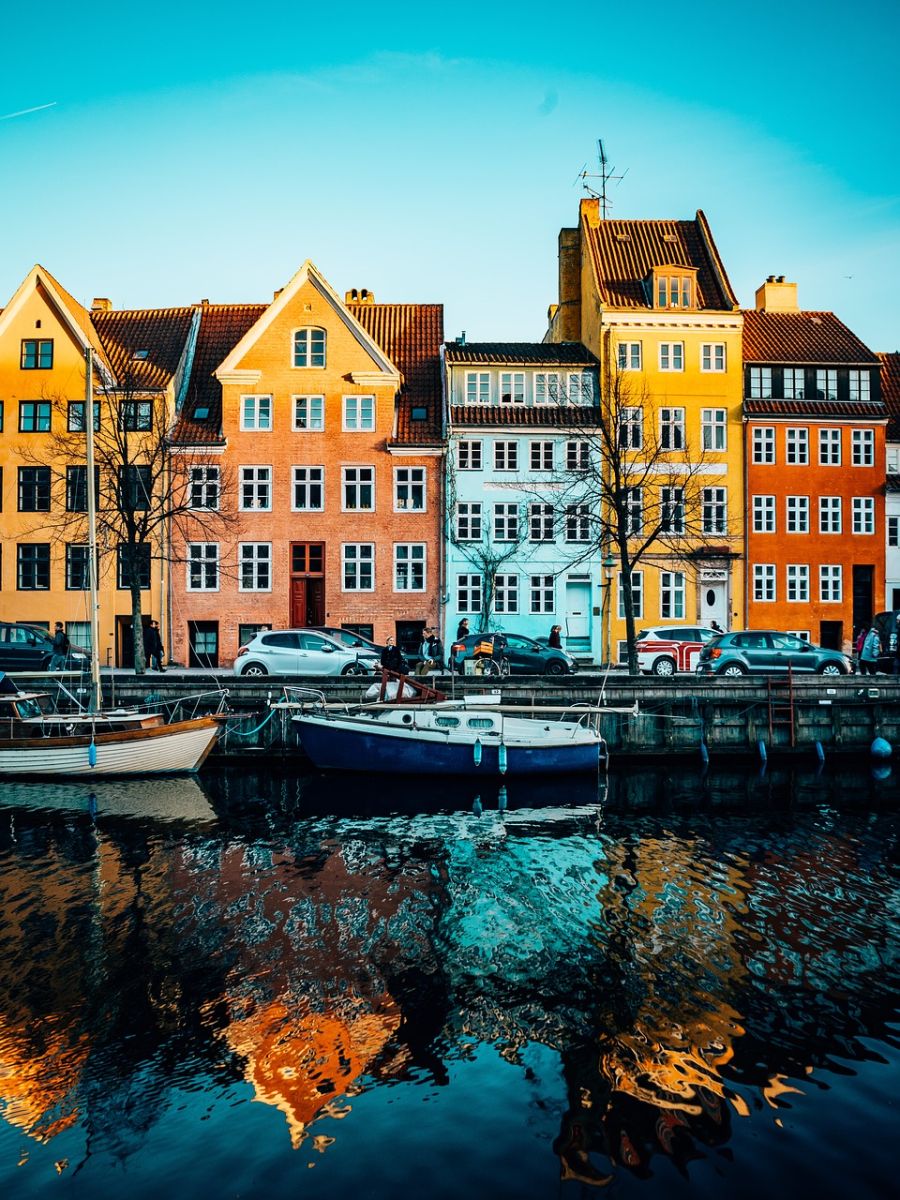
Christianshavn is without compare Copenhagen's most beautiful and best-preserved trading and harbour environment. But if we wind back the clock 400 years, the area looked entirely different. Copenhageners who walked down to the shore by Holmens Kirke and looked across the wide sound between Zealand and Amager would have seen little more than a windswept beach meadow.
In the open waters, warships and merchant vessels lay at anchor, unprotected from wind and current. King Christian IV was the monarch who transformed Copenhagen from an insignificant town into a proper capital city, and he clearly saw the need for a proper harbour.
In 1618, the reclamation and embanking of the shallow area that would become Christianshavn began. The district was laid out with six streets running lengthwise and four across, with a central canal dividing the area into an upper town and a lower town (the name "Overgaden" originally derives from "Ufergade").
Amager was also connected via the first bridge – Knippelsbro – which was inaugurated in 1620. Initially it was difficult to attract settlers to the new district despite very cheap building plots, so development was encouraged in 1639 by granting Christianshavn market-town rights, twelve years of tax exemption, grazing rights and cabbage gardens on Amager Fælled, and the right to hold market days.
Around 1900, many of the old, low-rise houses were demolished and replaced by speculative multi-storey buildings. Today the area has been beautifully restored, though just 60 years ago a typical back-yard flat was a mere 30 m² – with neither bathroom nor toilet – yet families averaging six members still called it home!